
Learn about Can We Use Walkie-Talkies While Cycling. Learn how to safely use walkie-talkies while cycling for communication, safety, and group coordination.
Introduction
Communication is a necessary means for outdoor activities that are safe, organized, and social. The question that cyclists frequently present is the effectiveness of walkie-talkies while riding. With hands-free arrangements, helmet-mounted devices, and proper planning of channels, walkie-talkies can facilitate the cycling partners to maintain contact, give updates, and build road safety and focus without being too involved.
What are Cycling Walkie-Talkies?
Cycling walkie-talkies are small and easy to carry portable two-way radios that facilitate instant communication among bike riders. These devices, with their hands-free operation, ruggedness, and long-lasting battery, are ideal for group coordination, safety alerts, and remote biking communication. Moreover, they guarantee communication reliability in places where mobile networks are either nonexistent or not very dependable.
Can We Use Walkie-Talkies While Cycling?
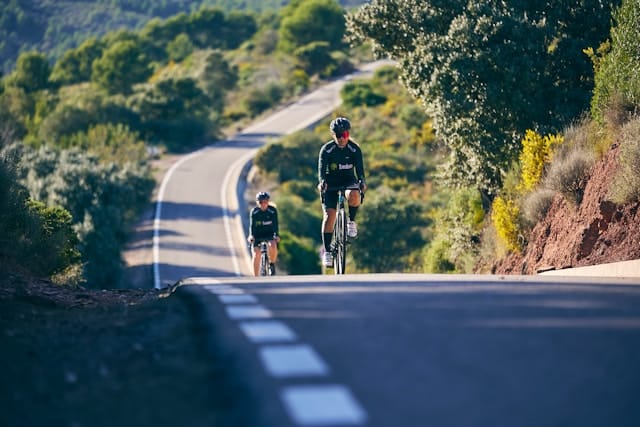
Definitely, walkie-talkies can be used during cycling; however, the most important factor is safety. The use of hands-free or helmet-mounted gadgets is recommended, as this will help you not to get distracted. Set the volume to a level that won’t drown out the traffic sounds.
Designate the channels prior to the ride and make sure the batteries are full. Speak only in a simple and short manner to not lose the group of cyclists and, at the same time, maintain awareness of the road and safety.
5 Best Walkie-Talkies for Cycling
Midland X‑Talker T71VP3
Midland X-Talker T71VP3 is a little walkie-talkie with a very long range, a rechargeable battery option, weather alerts, and hands-free mode. It is very good for group cycling rides where friends can easily talk to each other.
Retevis RT22
Retevis RT22 is a walkie-talkie that is lightweight and slim with USB charging, short range, and easy to carry when cycling. It is perfect for short-distance chats and to keep friends in contact while on short rides.
Motorola Talkabout MR350R
Motorola Talkabout MR350R is a very strong and trustworthy walkie-talkie that provides a long range, weather channels, emergency alert, and even has a built-in flashlight. It can go along the way of difficult terrain with long bike rides, keeping the cyclists together and always in touch.
Motorola T503
Motorola T503 is a walkie-talkie that is small and easy to use, ideal for informal cycling trips. Sleek and light, uncomplicated and pocket-sized, and fit with a handlebar mount letting friends communicate during cycling without any trouble.
Cobra ACT220B
Cobra ACT220B is the simplest walkie-talkie ideal for rides that are within sight. Low price, lightweight, and easy to carry, friends can always be in touch even over very short distances. It is perfect for group chats that are done effortlessly.
Advantages of Using Walkie-Talkies While Cycling
1. Instant Communication
Microphones and speakers in walkie-talkies help maintain the communication chain between cyclists, thus creating an alternative to mobile networks. This benefit is particularly noticeable in areas with inadequate cellular network coverage, such as woods, hills, or off-road countryside.
2. Safety Enhancement
During emergencies, fast and effective communication comes to the rescue. Walkie-talkies give bikers the power to send alerts immediately if someone gets hurt, lost, or has a mechanical breakdown.
3. Group Coordination
Walkie-talkies ease the process of forming and maintaining lines and calling for stops, turns, or pace adjustments when riding in groups. They will also help by allowing the lead cyclist to control the following cyclists without frequently stopping.
4. Battery Efficiency
By contrast to mobile phones, walkie-talkies consume less power. They are mostly able to operate for a longer time on one battery, which is a plus during the ride of a prolonged ride.
Challenges of Using Walkie-Talkies While Cycling
Walkie-talkies are not without their good sides, but still entail some difficulties that should be taken into account:
1. Handling and Safety
Riding a bicycle needs both hands to maintain equilibrium and steer properly. It would be dangerous to have a walkie-talkie in your hand while you are cycling. One alternative would be to incorporate earphone headsets and handlebar mount holders to keep the hands free.
2. Noise Interference
Wind and noise from traffic are two factors that will make it hard to hear or to be heard. Utilizing walkie-talkies that have noise-cancellation capabilities or headsets that come with built-in microphones will help overcome that problem by enhancing the audio quality.
3. Limited Range
The range of most consumer walkie-talkies is typically from 1 to 5 miles in cities or towns and up to 20 miles in open areas. However, the range can be affected by terrain, obstacles, and interference, so it is wise to plan the channels and distances accordingly.
4. Legal Considerations
Adhering to the local laws is very important. Some countries place limits on the transmission power, the frequency bands used, or require the licensing of certain types of walkie-talkies. Checking the situation before taking a radio with you when cycling is advised.
Tips for Effective Use
- Set aside particular channels to reduce the likelihood of overlapping signals.
- Communicate via simple and short messages in order to cut down on the noise.
- Device connectivity should be checked before the start of a long ride.
- Secure the walkie-talkie either on the handlebars or in a backpack with a speaker/microphone system.
Why should I use a Walkie-Talkie for Cycling?
A walkie-talkie is a cycling tool that assures instant contact with other people, those with whom you are riding, or friends, even if you are in a no-phone area. It makes riding together more organized, fun, and safe as it increases safety by informing about dangers or emergencies through quick alerts, riding coordination, and hands-free, reliable connectivity.
Choosing the Right Walkie-Talkie for Cycling
The most suitable walkie-talkie for cycling will be different for everyone and will depend on various factors, such as range, durability, battery life, and ease of use. Here is a list of things to consider:
1. Range and Coverage
Pick a device with a range appropriate for the area you are going to ride through. City cyclists probably do not need very long-range devices, whereas those riding off-road or in the mountains may need devices that can cover several kilometers.
2. Durability
Cyclists who ride in mixed weather must have waterproof and shockproof devices. Look for gadgets having very high Ingress Protection (IP) ratings for resistance to dust and water.
3. Battery Life
Never let battery life be a problem. Always choose walkie-talkies with extra-long batteries or those with rechargeable pack functions. A few devices come with power-saving modes that can help prolong battery life during long rides.
4. Size and Weight
Lightweight and compact devices are the ones preferred by cyclists as they do not limit their movements. Considerations should be given to ergonomics, button location, and handling while riding.
5. Hands-Free Options
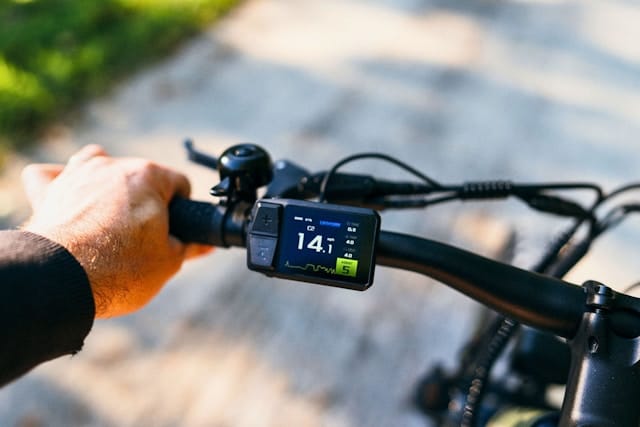
The device should be such that it can work with hands-free accessories or Bluetooth connectivity for communication, which would be safer while police officers are on the move.
6. Audio Quality
One of the key factors that makes that come about is audio quality and loudness, which are particularly important when riding in the wind or on busy roads. Proper communication is ensured by devices equipped with noise-canceling microphones and volume control.
Legal Considerations
Walkie-talkies are subject to the radio frequency usage regulations in a lot of countries. The biker should make sure:
- Use of those frequencies that have been approved for public use (which are usually FRS or PMR446 bands).
- The devices do not exceed the power limits set by law for transmission.
- No communication with emergency or licensed radio is disrupted.
Complying with the laws in your area allows you to communicate safely, legally, and without interruptions.
Conclusion
Walkie-talkies can be considered a reliable and safe means of communication for the cyclist if properly handled. They can be turned into a communication aid that greatly increases the safety, coordination, and connectivity of the group in places where mobile coverage is poor by facilitating hands-free setups, good channel planning, and being knowledgeable about the range and legal regulations.