
Learn about Can a walkie-talkie hacked. Learn whether walkie-talkies can be hacked and how encryption, secure channels, and updates protect your communication.
The walkie-talkie is a communication gadget that is held in the hand and enables two or more individuals to communicate in real time using radio frequencies. It does not require WiFi, SIM cards, or mobile networks. The process of communication occurs with the help of radio waves; thus, it is very effective in remote locations, emergencies, or where cellular services are not good.
Key Features of a Walkie-Talkie
- Two-way communication (receive and send).
- Push-to-Talk (PTT) button
- Predefined frequencies or channels.
- Long battery life
- Individual and collective communication alternatives.
- No internet required
Can a walkie-talkie hacked?
Yes, walkie-talkies can be hacked, but that will depend on the model and security measures. The simpler FRS/GMRS radios are more susceptible, as they operate on open frequencies. Hackers can eavesdrop, cut off, or impersonate users. Privacy codes and the selection of sophisticated encrypted models can be very helpful to minimize the chances of hacking.
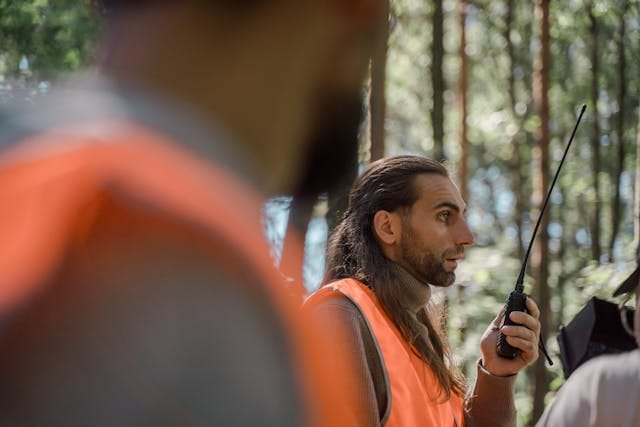
Potential Hacking Methods and Vulnerabilities
Hacking Analog Walkie Talkies
The interception of analog walkie-talkies is simpler due to the fact that they make unencrypted signals. Any person possessing a similar radio can tune in, eavesdrop, or interrupt communication, and he or she is thus exposed to simple scanning programs and frequency matching.
- a. Radio Scanners – The analog walkie-talkie signals are easily picked up by radio scanners due to open frequencies. It means that a conversation with any person living in a certain area can be overheard by anyone with a scanner, and it is not as confidential as it can be.
- b. Interference – Since analog communication is dependent on sharing the channel, Hackers can interrupt by sending noise, messages, or other interference, thus frustrating the communication process. There is no need to have advanced tools to use this approach, and it can be used in an unsecured or busy radio environment.
Hacking Digital Walkie Talkies
Digital walkie-talkies provide better security, yet they can be hacked once the encryption is weak or not configured properly. Experienced criminals can use bugs in the software, crack messages, or even sophisticated resources to pass through digital barriers and intercept private communications.
- a. Encryption Weaknesses – Other digital models apply weak or obsolete encryption, and as a result, messages can be decoded or intercepted by skilled attackers. Frequent updates and high-level encryption could considerably decrease these risks.
- b. Software Exploits – Software vulnerabilities may lie in the digital walkie-talkies that use programmable firmware. Unless the device is secured and updated, hackers may take advantage of these gaps to reach its settings, steal signals, or turn off features.
- c. Physical Access – When one physically gets to the device, it is possible to steal the data that has been stored, rewrite channels, or load malicious setups. The privacy of communications is supported by keeping radios locked and restricting access.
Security Measures to Enhance Communication Safety
Choose the Right Device
Choose walkie-talkies that are highly encrypted, digitally secured, and have a reliable brand. The sophisticated models that have privacy codes, secure channels, and anti-interference technology can help a great deal to discourage the possibility of eavesdropping and unauthorized access during significant communication.
Regularly Update Software
Ensure that software and firmware are kept up to date to address vulnerabilities, bugs, and enhance security features. Newer devices are more resistant to hacking, and they have a greater level of resistance to unauthorized signal capture or digital exploitation.
Use Secure Channels
Use channels that have fewer users, use privacy codes, and use encryption where possible. Secure channels minimize interference, do not allow an outsider to easily tune in, and enhance communication safety when doing the most critical operations or outdoor activities.
Employ Tactical Awareness
Be aware of suspicious intrusion, the appearance of voices, or the alteration of signals. Exercise mindful communication, restrict sensitive information on the radio, and exercise situational awareness to avoid the chances of being intercepted or targeted disruption to the maximum.
Consider Tactical Gear
Be safer when communicating with the help of accessories such as encrypted mics, protective cases, and signal-enhancing antennas. The tactical gear advances privacy, better clarity, and further physical security and operational safety in risky areas or in the field of work.
How Can Two-Way Radios Be Hacked?
1. Unauthorized Frequency Access
The hackers are able to use the same frequency as is being used by your radios and therefore can listen to or disrupt conversations or portray themselves as an authorized user. This occurs mostly when the analog radios are using open and unprotected channels.
2. Lack of Encryption
Two-way radios that are not encrypted send out signals in plain audio, which can be easily heard using a scanner. Hackers can spy, intercept the communication, or break the communication channels without specialized tools.
3. Stolen or Cloned Radios
When a person robs or imitates a radio programmed with your specific channels and settings, then they can get into your communication network. Cloned radios are replicas of real devices, and the illegal users are hard to identify.
4. Scanning for Open Frequencies
Frequency scanners are usually used by hackers to find channels that are not secure and are active. Once discovered, they may list, break communication, or even inject false messages, particularly on unencrypted FRS/GMRS or analog radio networks.
How to Prevent Two-Way Radio Hacking in 2025
1. Upgrade to Secure, Encrypted Systems
Modern encrypteradiosdi, os such as Motorola APX™ P25 and MOTOTRBO™ digital systems, should be used. They provide robust encryption, authentication, and high-tech digital security that prevents eavesdropping, cloning, and unauthorized access through mission-critical communication systems.
2. Implement Trunked Radio Systems
The trunked systems are automatic in switching users through several channels, and interception is made very hard. They are used to manage assignments of frequencies securely, minimize congestion, and only authorized radios can access the network, which enhances privacy and operational control.
3. Conduct Regular Security Audits & Updates
Regular audits are useful to detect vulnerabilities, old firmware, or broken radios. Software updates, improved access controls, and encryption settings will ensure high levels of security in communication and prevent the changing threats of hacking.
4. Train Personnel on Secure Radio Practices
Educate users to be aware of suspicious interference, never transmit sensitive information over unsecured networks, report missing radios as soon as possible, and ensure that the encryption process is done correctly to reduce security threats and unauthorized access to information.
5. Partner with a Trusted Two-Way Radio Provider
By collaborating with reputable providers, one should also have access to certified equipment, secure programming, skilled maintenance, and dependable technical support. The partners that are trusted assist in designing, administering, and safeguarding communication systems against contemporary hacking offences.
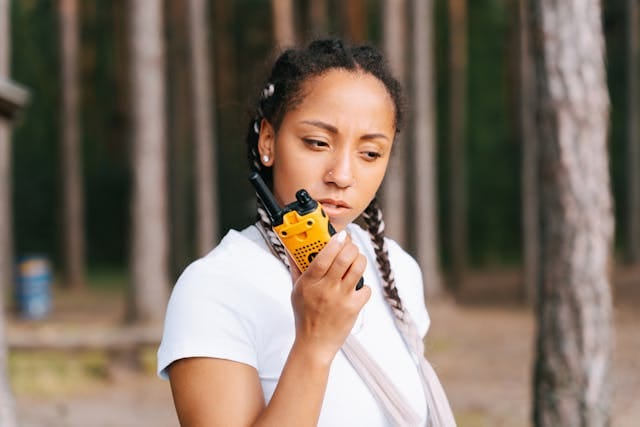
Why Can Walkie-Talkies Be Hacked?
1. Open and Public Frequencies
Walkie-talkies operate on radio frequencies that are shared by everybody, and thus anyone with a similar gadget or scanner can tune in and listen easily.
2. No Built-In Encryption
Most of the analog and low-end radios use unencrypted signals a nd voice communication can easily be intercepted or monitored by external parties without much effort.
3. No User Authentication
Walkie-Talkies do not have an authentication mechanism and as such, unauthorized individuals can join channels, disrupt communication, or impersonate members he legitimate team members at all times.
4. Easy Frequency Scanning
SDR devices or scanners help hackers search radio bands in a fast manner and thus find an active walkie-talkie channel that can be used to intercept conversations easily.
5. Vulnerable to Signal Jamming
Transmission of noise on the same frequency can jam the walkie-talkie signal, thereby interfering with the communication process and preventing important voice messages.
6. Kids’ Devices Lack Security
The walkie-talkies that kids have are based on the fixed open channels that have no protection, and anyone within the range can easily overhear a conversation in real-time.
7. Weak or Old Encryption
The old digital radios have aged encryption algorithms that the hackers can crack with the help of the latest software programs and radio decryption applications.
8. Common Default Channels
A lot of walkie-talkies use default shared channels, nd this is a high risk of interference, eavesdropping, and unauthorized access by other users upon the channel.
FAQs
Are digital walkie-talkies safer than analog ones?
Yes. Digital walkie-talkies will also normally incorporate the encryption feature and will therefore be significantly harder to intercept than analog radios.
Do walkie-talkies need the internet to be hacked?
No. Hacking is done via radio signals and not the internet. The walkie-talkies are totally offline, operating at radio frequencies.
Can walkie-talkies be hacked from long distances?
Not usually. The extent of hacking is based on the distance of radio signals. The majority of interference or eavesdropping occurs within the range of operation of the walkie-talkie.
Conclusion
Walkie-talkies can be eavesdropped on or hacked, particularly the simplistic analog and non-secure type, yet good encryption, secure communication, and proper training can significantly reduce the risks. The use of modern digital radios, the updating of firmware, and the discipline of communication are some of the things that guarantee safer, reliable, and secure two-way communication in any situation.